


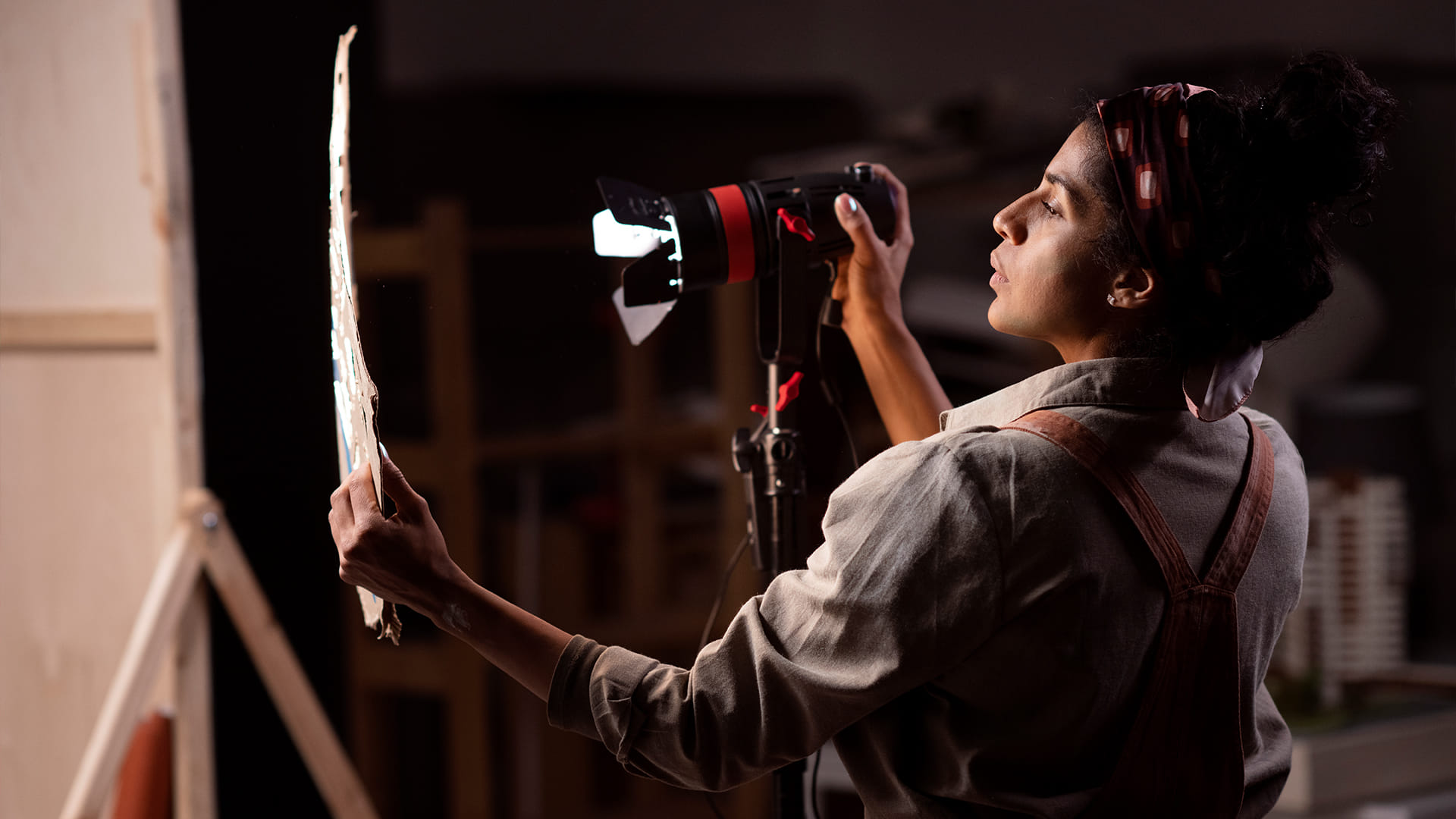
List of Film Lighting Techniques Every Filmmaker Should Know
Lighting is one of the important elements in visual storytelling. Whether you are aiming for international Film Festivals or shooting an ultra-low-budget indie feature mastering lighting turns simple footage into atmospheric art. Understanding a List of Film Lighting Techniques helps directors and cinematographers evoke exact emotions without speaking a single word.
Essential Lighting Styles for Every Set
Lighting is one of the important elements in visual storytelling. It can establish mood guide attention create depth and influence how audiences experience a scene. For Filmmakers understanding lighting approaches can make a major difference in the visual quality of their Films.
1. Three-Point Lighting: The foundational standard taught in every cinema program. Utilizing a Key Light (source) Fill Light (shadow softener) and Back Light (subject separator) this lighting setup creates depth and dimension on screen.
2. High-Key Lighting: Popular in comedies and musical this lighting approach minimizes shadows and heavy contrast delivering an upbeat bright aesthetic.
3. Low-Key Lighting & Chiaroscuro: Heavy on contrast and deep black shadows this lighting style defines film noir, thrillers and intense dramas by creating suspense and moral ambiguity.
4. Practical Lighting: Using light sources visible within the scene—such as desk lamps, streetlights or candles—to build grounded atmospheres.
5. Motivated Lighting: Designing artificial Films fixture to mimic real-world sources like moonlight streaming through a window or sunlight reflecting off water.
6. Natural Lighting: Natural lighting uses sources such as sunlight or existing ambient light. It can create authentic visuals making it particularly useful for documentaries, independent productions and outdoor scenes.
Why Lighting Matters in Cinema
An understanding of lighting helps Film Professionals create consistent visual styles and communicate emotions without relying entirely on dialogue. It can also help emerging filmmakers make decisions even when working with limited equipment.
For anyone building a Film Encyclopedia or studying the craft lighting techniques are a part of understanding how cinema communicates visually. A Film Forum can also provide a space for discussing how different lighting choices affect audience perception.
Whether preparing a project for Film Festivals or developing a production understanding lighting can strengthen a filmmaker’s creative approach. Every Film festival presents opportunities to see visual styles making festivals valuable learning environments for aspiring creators.
This List of Film Lighting Techniques provides a starting point. The best way to understand lighting is to experiment with different sources, angles, intensities and combinations.
Beyond the Technical Manual
Mastering lighting is not about memorizing pages from a Film Encyclopedia. Cinema is an evolving craft shaped through real-world trial and error. Engaging in an online Film Forum or attending workshop panels lets directors dissect shot lists, with seasoned Film Professionals. By testing ratios placement angles and diffusion techniques directors transform basic camera setups into captivating visual narrative experiences that captivate global audiences.
